CEPS TEACHING STAFF AT ERASMUS+ STAFF WEEK IN A CORUÑA
✓ Business Economy
✓ Traffic Engineering
✓ Energetics
✓ Safety
✓ Security studies
Published on
30.4.2026. u 06:10h
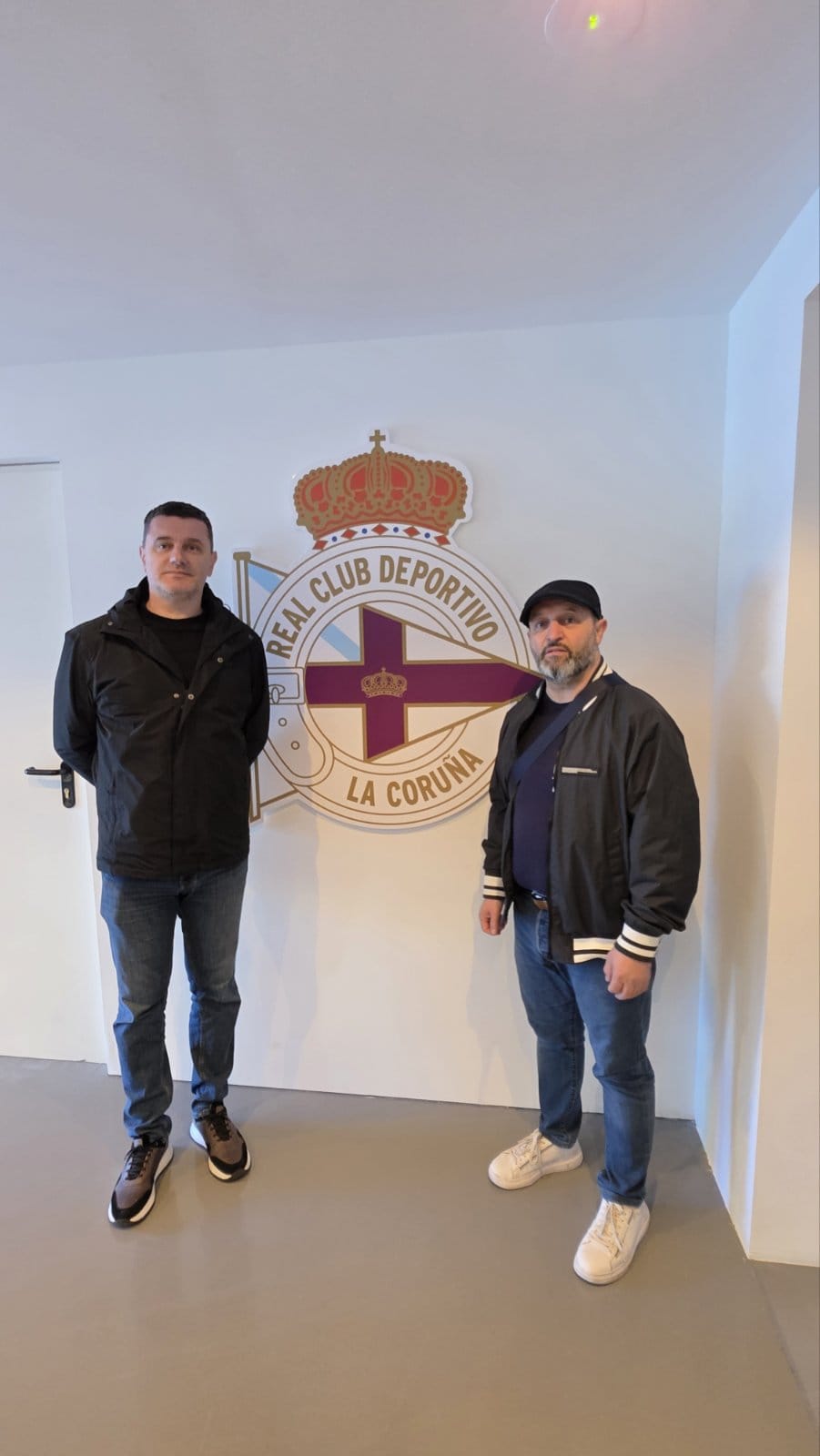
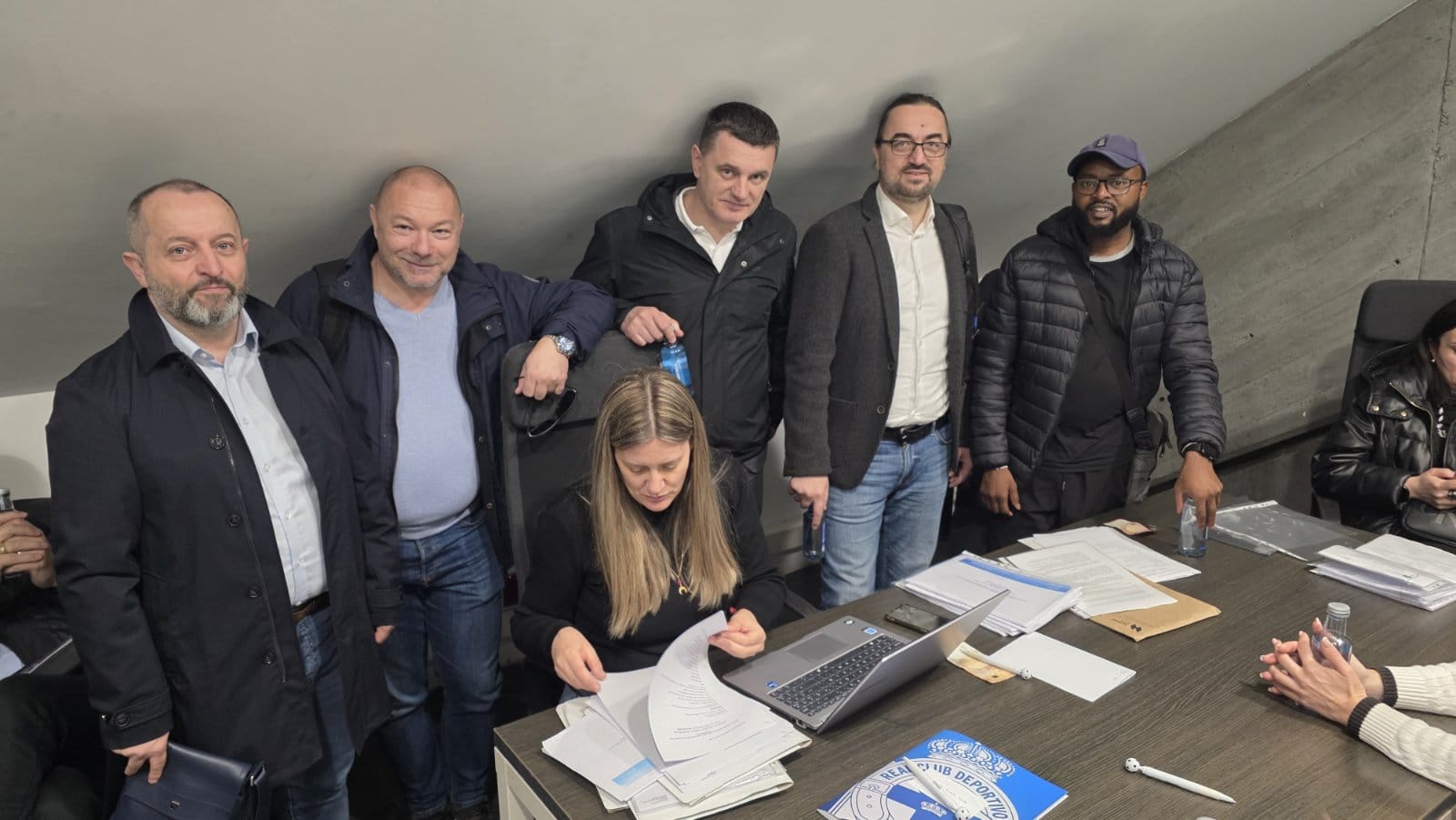
The teaching staff of the University College "CEPS-CEPS-Center for Business Studies" Kiseljak (Prof. Bakir Čičak, Lecturer Davor Knežević, Prof. Hadžib Salikć and Lecturer Aleksandar Faladžić) participated in the Erasmus+ exchange through Staff Week in A Coruña, Spain, organized by the foundation of the football club RC Deportivo de la Coruña. Staff Week was organized in the period from April 13 to 20 and gathered participants from various European educational institutions with the aim of strengthening international cooperation.
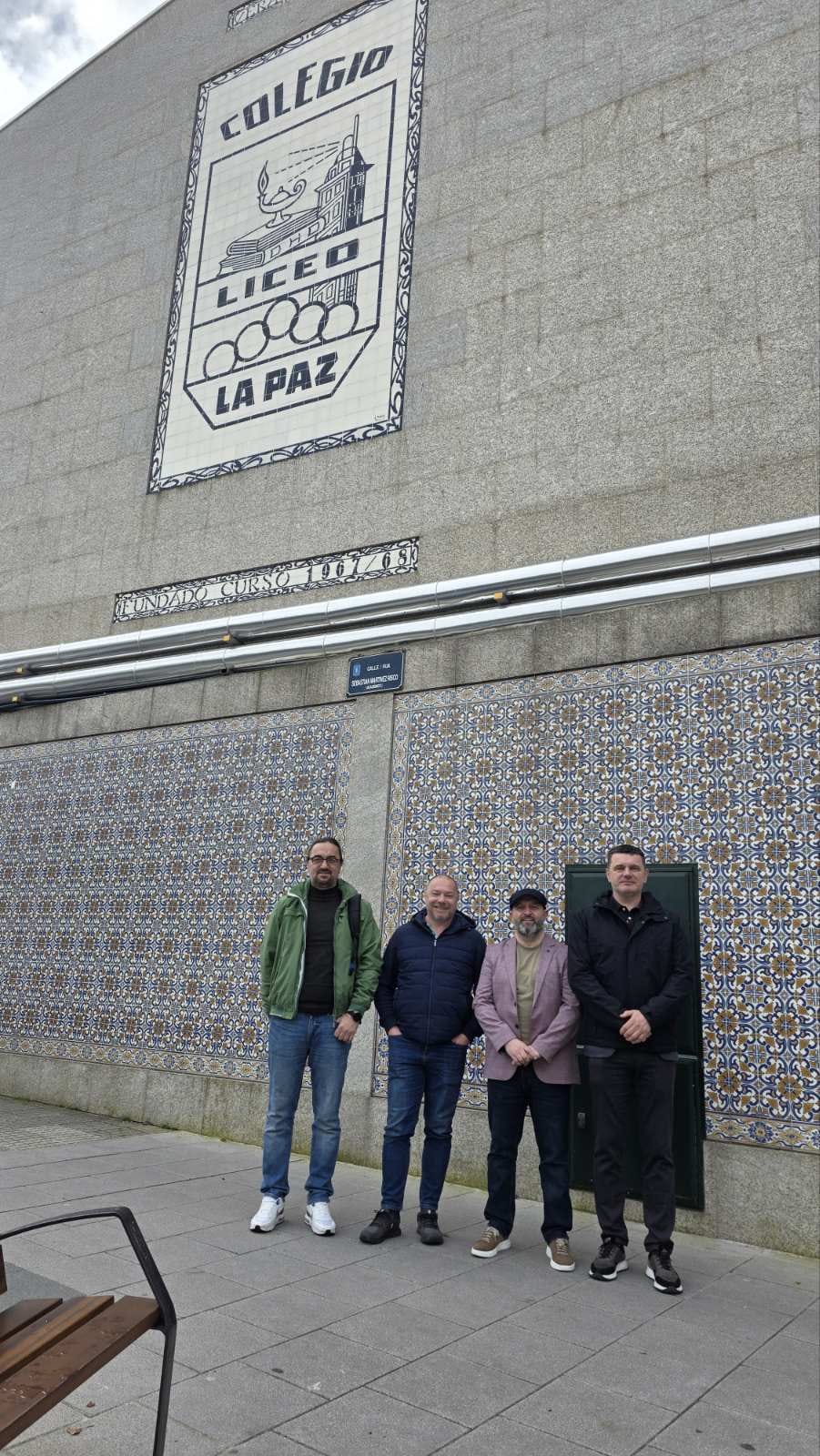
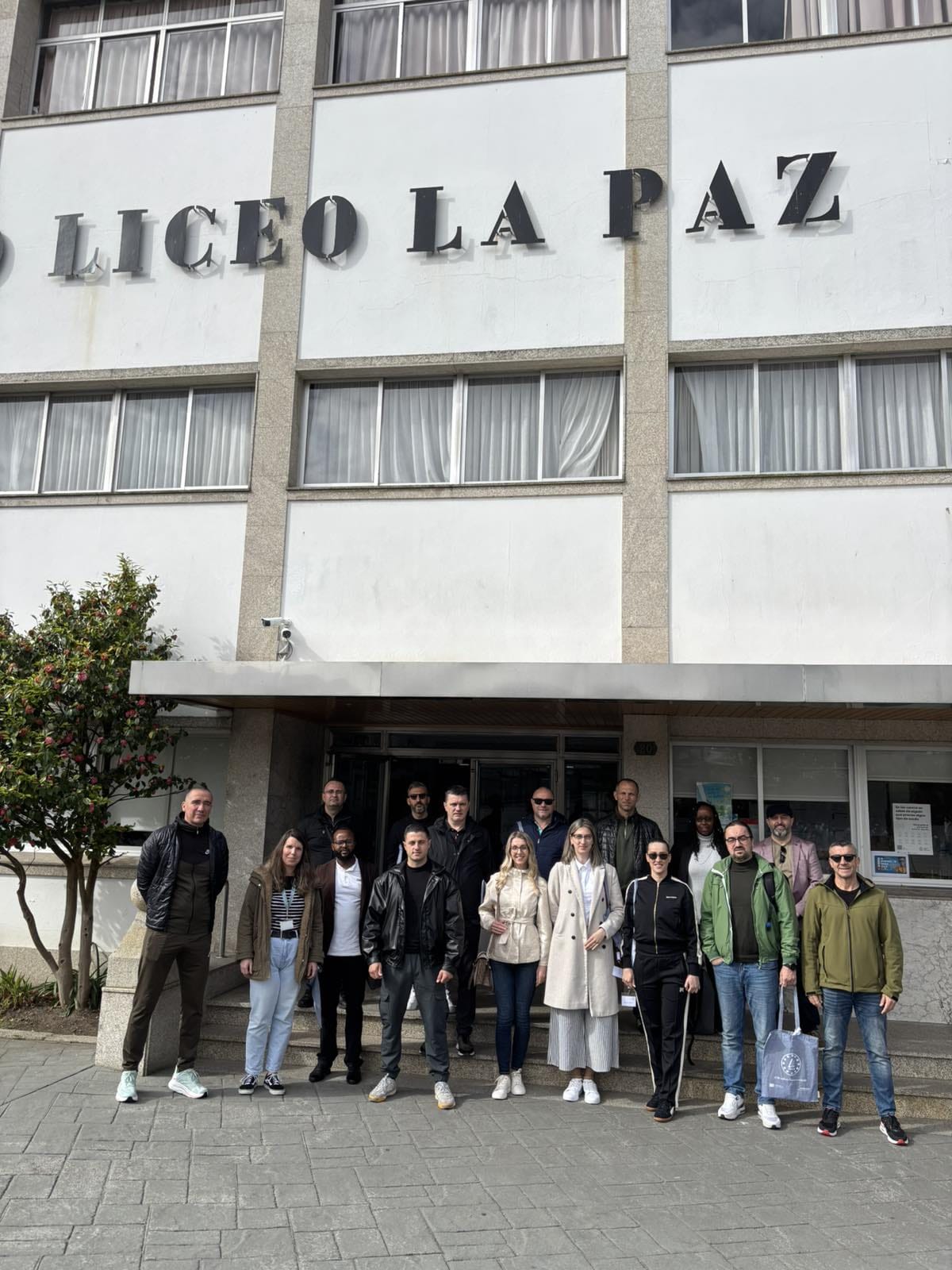
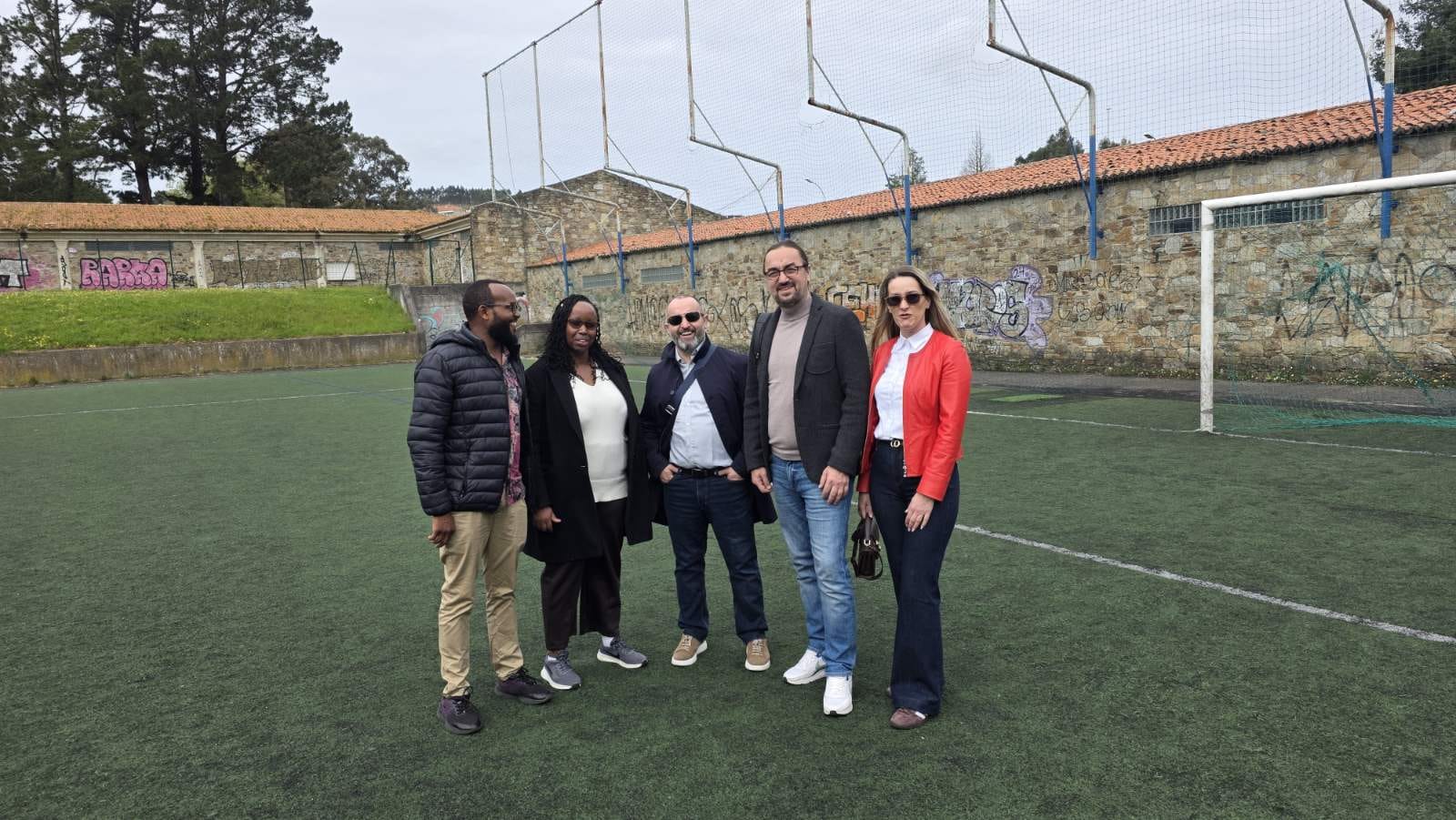
During their stay, the participants had the opportunity to visit the partner higher education institution CIFP Universidade Laboral, as well as Liceo "La Paz", where valuable experiences and examples of good practice in the field of education, teaching methods and work organization were exchanged through discussions. These visits enabled a better understanding of different educational systems, but also opened up opportunities for future cooperation.
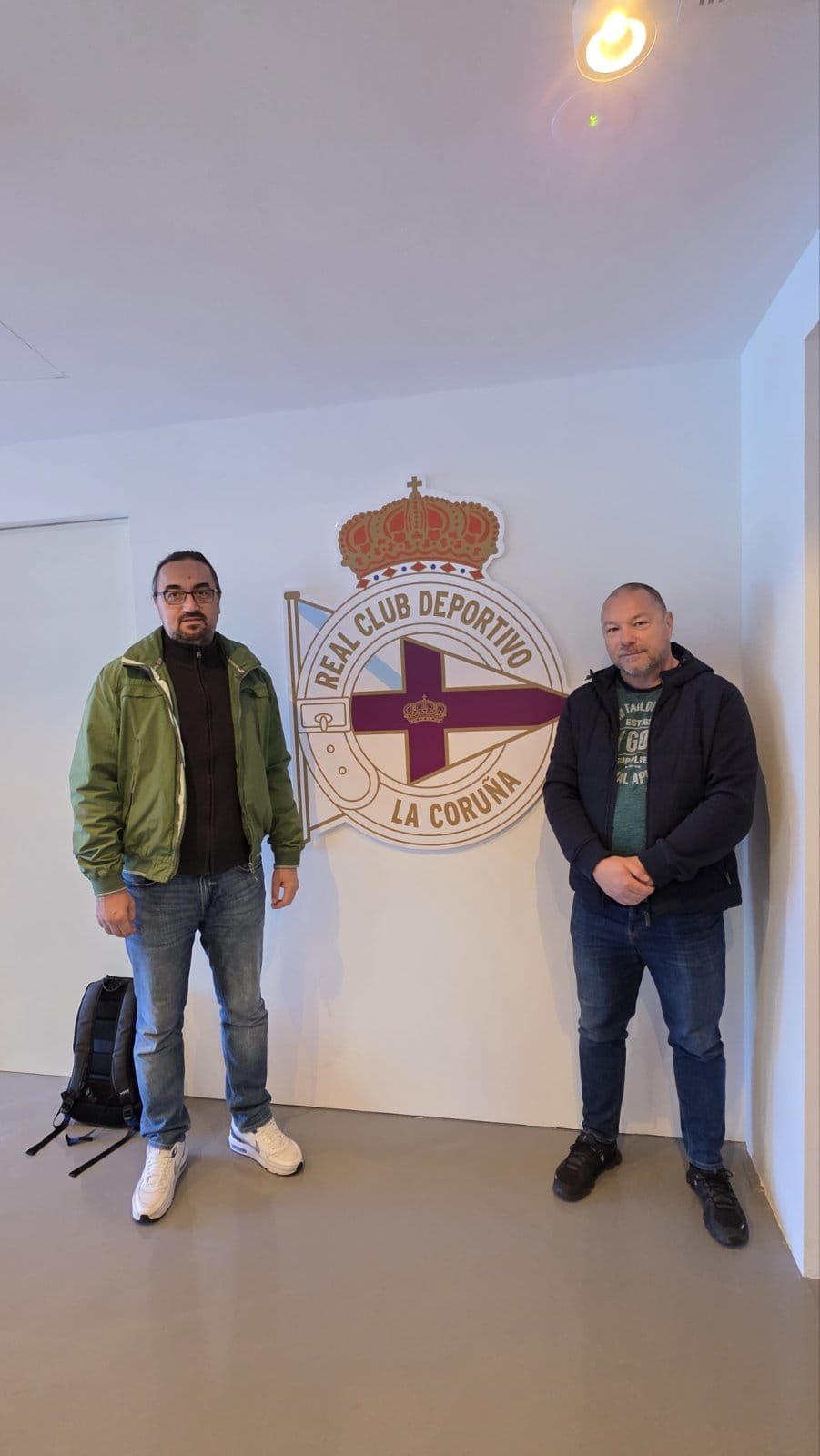
A visit to the museum was also organized for the exchange teaching staff, which additionally contributed to getting to know the local culture and history. The participants also visited the Deportivo Training Center, where they learned about the way of working, infrastructure and organization of a professional sports team, which was a particularly interesting experience.
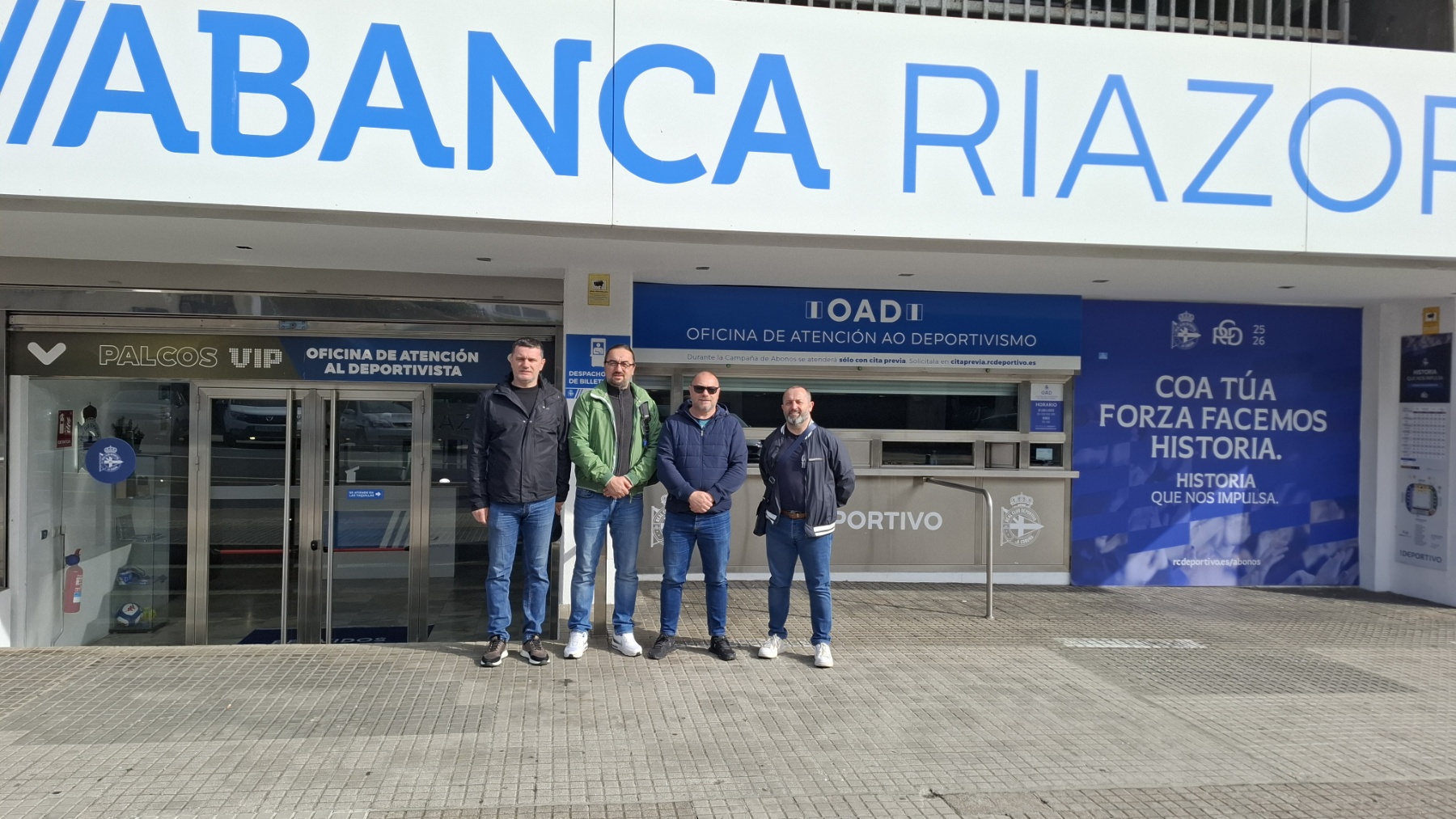
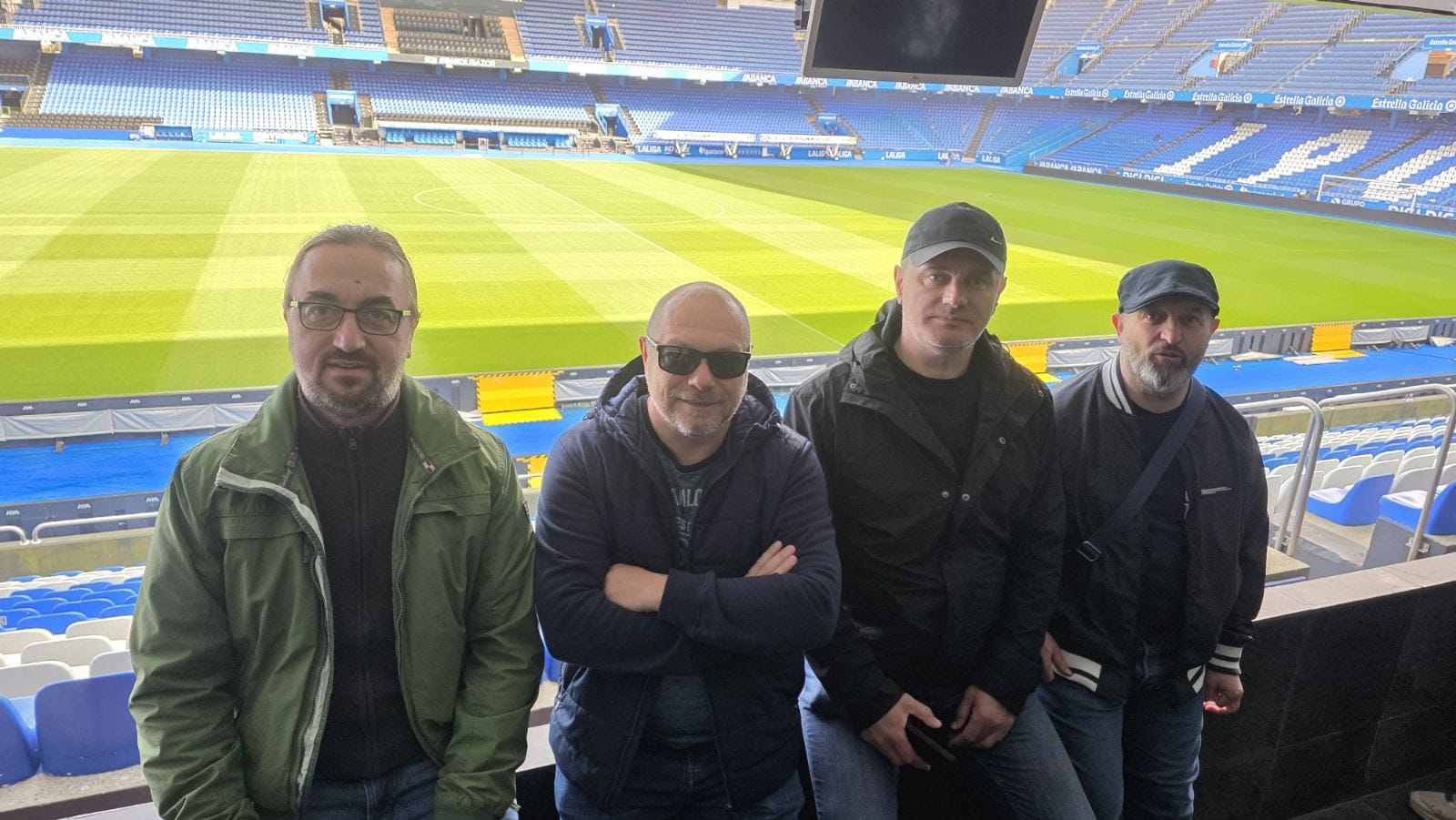
The program was further enriched by attending the football match Dépor vs Mirandés at the Riazor stadium. This Erasmus+ week was filled with learning, networking, exchange of ideas and cultural experiences, leaving a strong impression on all participants and representing an important step towards further improvement of international cooperation. Such events are important because they contribute to improving the quality of education through the exchange of knowledge, experiences and examples of good practice among institutions from different countries. Also, they strengthen international cooperation and professional ties, opening new opportunities for future projects and development of the academic community.